Tap Support for Student-Athletes
Student-athletes carry more than the game.
Sports can build confidence, discipline, friendship, and purpose. But for many students,
the pressure does not stay on the court, field, track, mat, pool, or stage.
Playing time, injury, schoolwork, coach expectations, parent pressure, team belonging,
and identity can all collide in one quiet question:
“Who am I if I do not perform?”
The idea
Strategically placed support.
When sports pressure gets loud, a student-athlete taps a sticker or tag
on the object already with them — water bottle, gym bag, locker, keychain, or gear tag.
The moment may need a pause, encouragement, perspective, connection, or one small action.
The object helps the right support show up at the right time.
The object lives where the pressure shows up: beside the bench, after practice, on the bus,
in the locker room, on the water bottle, or hanging from the gym bag.
Example
After a bad game.
A student misses key shots, loses playing time, or feels like they cost the team.
The sticker meets that moment. One pause. One truth: “One game is not your identity.”
One small action: reset your body, talk to one safe person, or focus on the next practice.
The hidden connection
A student-athlete may look tough on the outside and feel one mistake away from falling apart on the inside.
Athletes are often trained to push through, stay focused, and not show weakness.
But performance pressure can follow them into class, home, friendships, sleep, and self-worth.
A bad game may really mean:
“I feel like I let everyone down.”
Sitting the bench may really mean:
“I’m scared I do not matter to this team anymore.”
Falling behind in class may really mean:
“I’m exhausted and trying to carry school and sports at the same time.”
An injury may really mean:
“I’m afraid I will not come back the same.”
The physical connection
It starts with something they already touch.
A water bottle sticker. A tag hanging from the gym bag. A locker magnet. A keychain. A card.
The object changes. The moment matters.

Everyday tap object
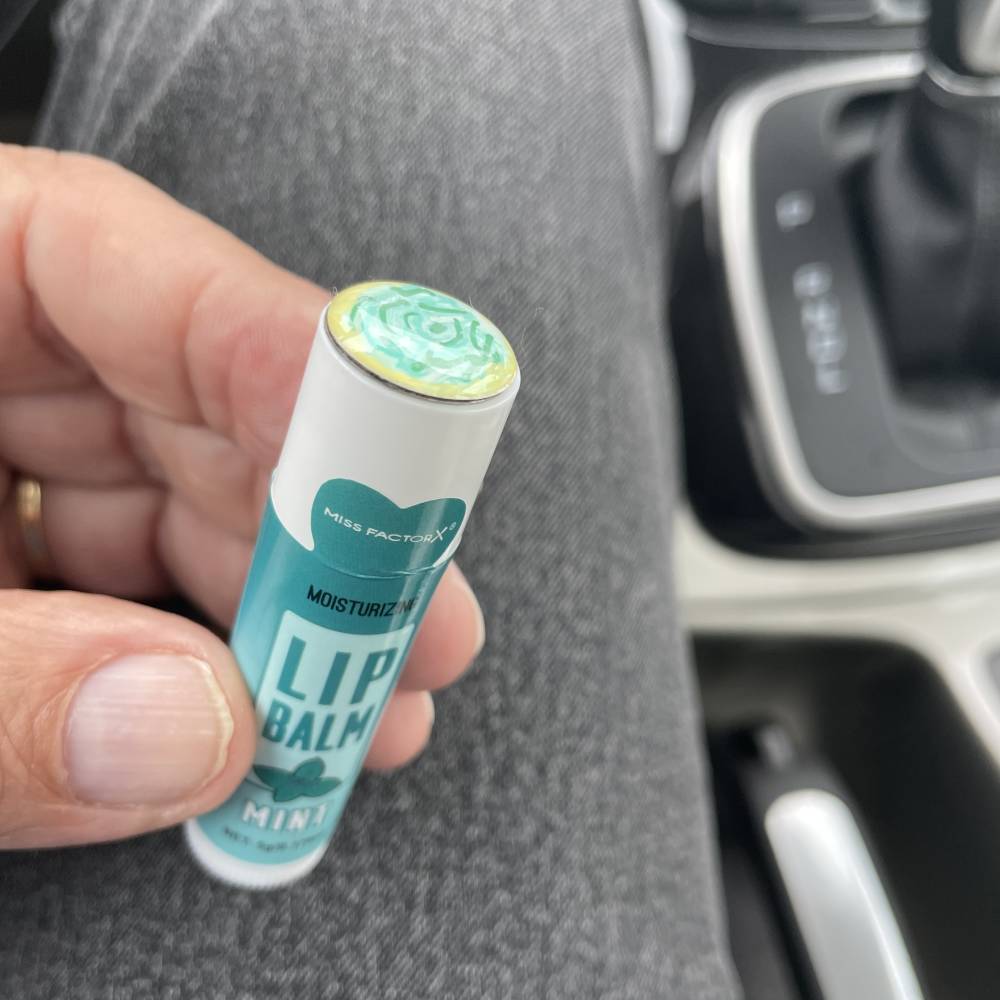
Carry support with you
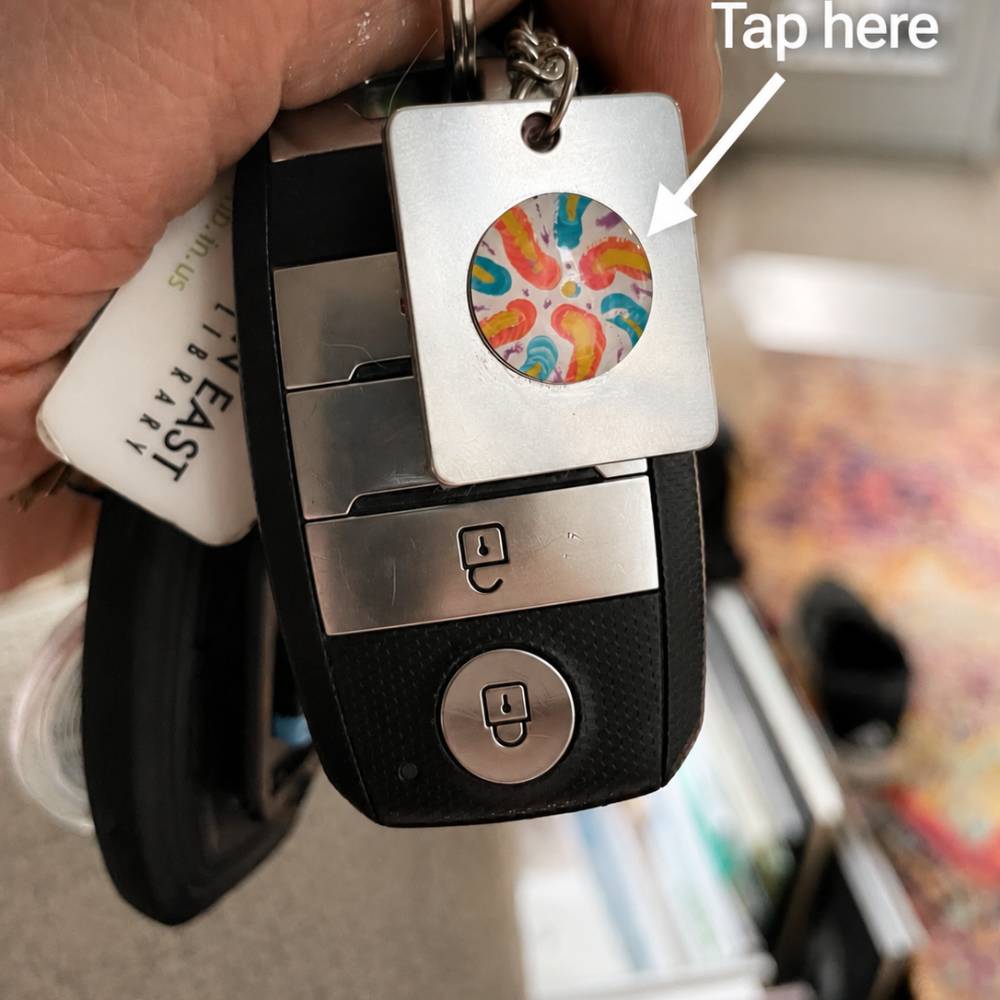
Support during the day

Tap when needed
1
Playing time pressure
Playing time can feel like a public measure of worth. Sitting the bench, losing a role,
or watching someone else get the opportunity can hit harder than people realize.
What may be on their mind:
“Why am I not playing?”
“Do they think I’m not good enough?”
“Do I still matter to this team?”
Tap support idea
Your role may change. Your value does not disappear.
2
Coach and parent expectations
Athletes often feel watched from every direction. A coach may want more effort.
A parent may want more results. The athlete may feel like every mistake has an audience.
What may be on their mind:
“Everyone has an opinion.”
“I don’t want to disappoint them.”
“I can’t just have an off day.”
Tap support idea
You can receive feedback without letting it decide your worth.
3
Injury fear or recovery
Injury can affect more than the body. It can threaten routine, identity, confidence,
friendships, playing time, and the athlete’s sense of control.
What may be on their mind:
“What if I don’t come back the same?”
“What if I lose my spot?”
“I hate watching from the side.”
Tap support idea
Healing is still part of being an athlete. Your body is not betraying you.
4
Balancing school and sports
Practices, games, travel, training, film, workouts, homework, tests, projects,
and sleep can collide. Being tired can look like not caring.
What may be on their mind:
“I’m exhausted.”
“I still have homework.”
“I don’t have enough time to be good at everything.”
Tap support idea
Do one school step now. Small steps keep the pile from getting bigger.
5
Performance identity
Some athletes do not just play a sport. They become known as the athlete.
When performance drops, it can feel like their whole identity is shaking.
What may be on their mind:
“If I play badly, I feel like I am bad.”
“People only know me for this.”
“I don’t know who I am without being good at this.”
Tap support idea
You are an athlete. You are also more than an athlete.
6
Recruiting, scholarships, and future pressure
For some athletes, every game can feel connected to a future opportunity.
That pressure can turn a sport they love into a constant audition.
What may be on their mind:
“What if this was my chance?”
“What if no one notices me?”
“What if I’m not good enough for the next level?”
Tap support idea
Your future is bigger than one game, one scout, one stat, or one season.
1
Team belonging
A team can feel like family. But when roles change, cliques form, or playing time shifts,
an athlete may wonder where they stand.
What may be on their mind:
“Am I still part of this?”
“Do they only care if I help us win?”
“I feel alone on my own team.”
Tap support idea
Your place on a team is bigger than minutes, points, starts, or stats.
2
Comparison with teammates
Athletes constantly see who is faster, stronger, taller, sharper, more skilled,
more praised, more recruited, or more confident.
What may be on their mind:
“Why are they improving faster than me?”
“Coach notices them more.”
“Maybe I’m falling behind.”
Tap support idea
Someone else improving does not mean you are disappearing.
3
Body pressure
Athletes may feel like their body is always being measured, judged, corrected,
strengthened, weighed, watched, or compared.
What may be on their mind:
“My body never feels good enough.”
“Everyone can see my weakness.”
“I feel like my body is a project.”
Tap support idea
Your body is not just equipment. It is part of you and deserves care.
4
Fear of letting people down
A student-athlete may feel responsible for a coach’s trust, a parent’s pride,
a team’s success, and their own expectations all at once.
What may be on their mind:
“They’re counting on me.”
“I cost us the game.”
“I hate disappointing people.”
Tap support idea
Responsibility is real. But one mistake does not make you a disappointment.
5
Losing joy in the sport
What once felt fun can start to feel heavy when every practice, game,
workout, or stat becomes proof of whether they are enough.
What may be on their mind:
“I used to love this.”
“Now I just feel pressure.”
“I don’t know if I’m allowed to say that.”
Tap support idea
Losing joy is worth noticing. You are allowed to talk about the weight.
6
Who am I without sports?
For some athletes, the sport has shaped their friends, schedule, confidence,
family attention, future dreams, and identity for years.
What may be on their mind:
“What if this ends?”
“Who am I if I’m not the athlete?”
“What else do I have?”
Tap support idea
Sports may be part of your story. They do not have to be your whole identity.
One tap will not fix the pressure of sports. But it can meet the moment before performance becomes identity.
Tap support is not coaching, counseling, training, or medical care.
It is support placed where the pressure already happens: a small physical object on a water bottle,
gym bag, locker, keychain, or card that opens a brief, private reset when a student-athlete needs
a pause, encouragement, perspective, connection, or one small next step.
Learn about TagsToTap