Perfectionism
Perfectionism can look like excellence from the outside. But inside, it can make every assignment, test, project, or performance feel like a judgment of worth.
Overachievers, straight-A students, honors students, scholarship students, student leaders, and “the responsible ones” can look successful on the outside while quietly carrying pressure, exhaustion, fear of failure, and the hidden question: “If I stop being impressive, who am I?”
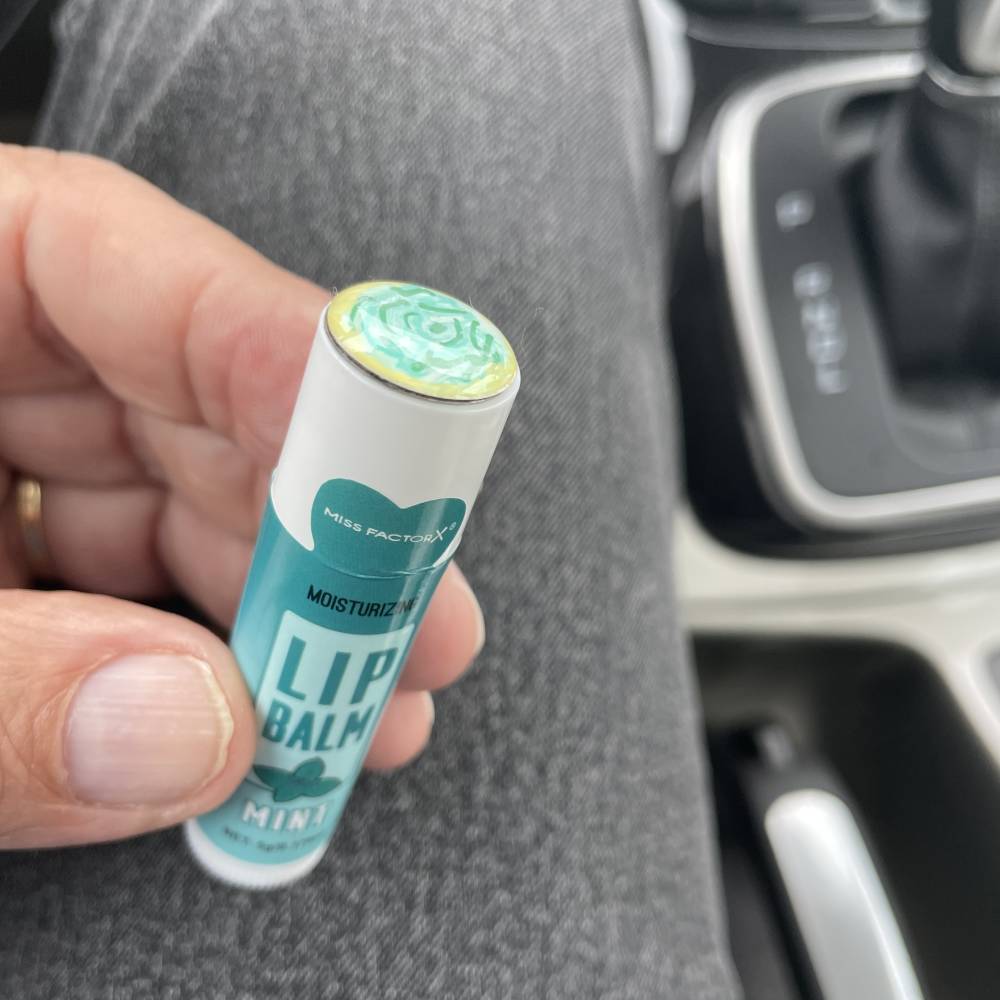
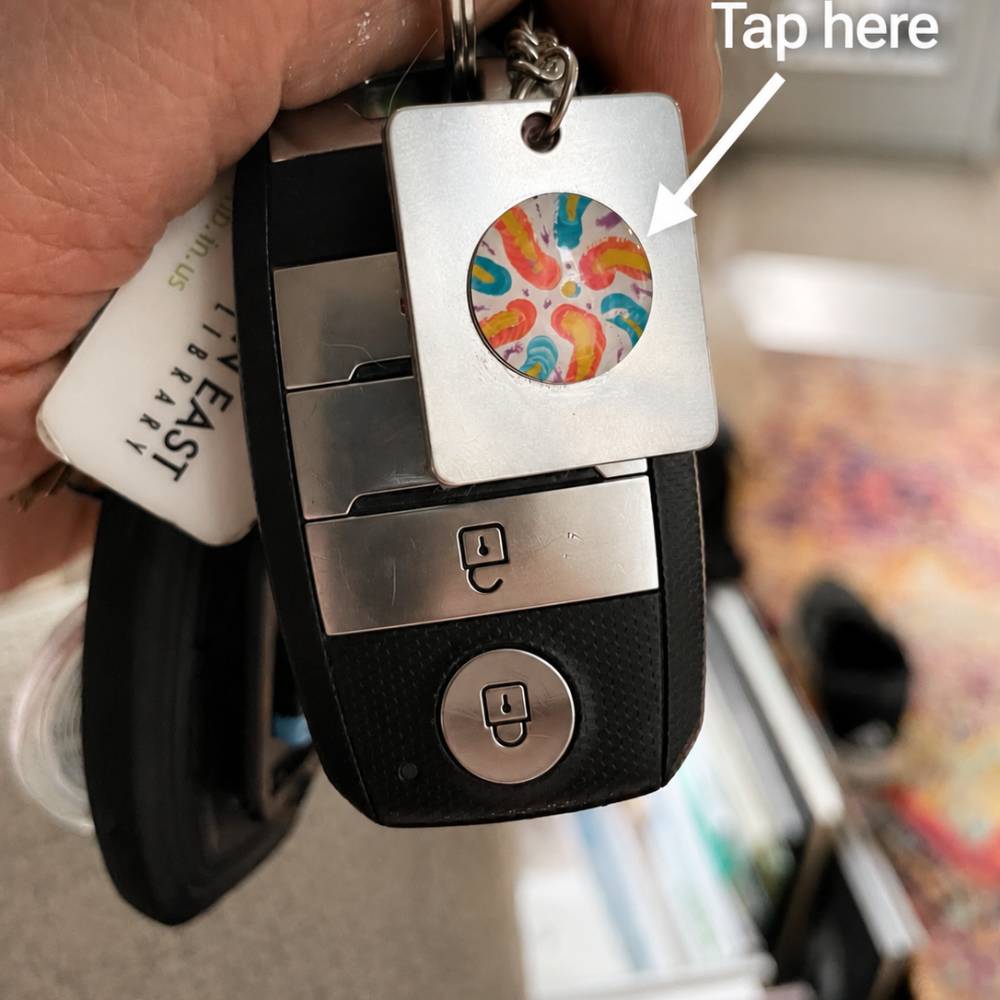
This is strategically placed support. When pressure starts getting loud, a student taps a sticker on the object already in their hand — planner, notebook, laptop, or water bottle. The moment may need encouragement, perspective, connection, a pause, or one small action. The object helps the right support show up at the right time.
A straight-A student gets an 82 and starts spiraling. The sticker meets that moment. “This is information, not identity.” One next step: ask what to focus on before the next one.
They may keep the grades up, show up to the meetings, lead the group, take the hardest classes, help everyone else, and still feel like one mistake could change how people see them.
High-achieving students may have teachers, counselors, advisors, parents, coaches, mentors, and trusted adults. But many hard moments happen in between: after a lower grade, before a big test, after overcommitting again, late at night, while comparing themselves to others, or when they realize they are exhausted but still cannot stop. The sticker is placed where that moment already happens, so support can appear before the pressure gets louder.
A student taps a physical object and gets a short, private reset.
It feels simple, safe, and low-pressure — not like another task to manage.
The object can be a sticker, magnet, bookmark, card, keychain, laptop sticker, or planner tag.
Tap support can open more than written encouragement. It can play a short voice note from a peer, parent, sibling, teacher, counselor, mentor, coach, or older student who knows what it feels like to be praised for pressure.
“I thought everyone expected me to have it together. Turns out a lot of us were quietly exhausted.”
“I am proud of your effort, but I do not love you more when you perform perfectly.”
“Asking for help before you crash is not failure. It is wisdom.”
A planner tag. A laptop sticker. A bookmark. A keychain. A card. A water bottle sticker. The object changes. The moment matters.
Everyday tap object
Carry support with you
Support during the day
Tap when needed
Tap support can be organized around the real high-achiever moments: perfectionism, grade shock, overcommitment, comparison, guilt, burnout, and asking for help before the crash.
These are the things that make it harder to focus, rest, recover from mistakes, ask for help, say no, or believe their value is bigger than what they produce.
Perfectionism can look like excellence from the outside. But inside, it can make every assignment, test, project, or performance feel like a judgment of worth.
For students used to high grades, one lower score can feel like proof they are losing their edge, disappointing others, or no longer special.
Overachievers often feel responsible for other people’s pride, expectations, hopes, and sacrifices. Success can start to feel like something they owe everyone.
Honors classes, clubs, leadership roles, sports, volunteering, jobs, applications, and family responsibilities can pile up until every “yes” becomes another weight.
Some high-achieving students trade sleep for productivity until exhaustion becomes normal. They may not realize how much their mood, memory, and hope are being affected.
The student everyone trusts may struggle to admit they are confused, overwhelmed, anxious, burned out, or behind. Help can feel like breaking character.
These may not look like problems at first, because the student may still be succeeding. But they shape identity, sleep, relationships, mood, choices, and self-worth.
If a student has always been known as smart, talented, responsible, gifted, or impressive, it can be scary to imagine being valued without those labels.
Rest can feel undeserved when a student is used to measuring the day by output. Even free time can feel like falling behind.
Being surrounded by other driven students can turn achievement into a constant scoreboard: harder classes, better scores, more clubs, better schools, bigger plans.
Some overachievers are not only afraid of failing. They are afraid of being average, unnoticed, or no longer the person people point to as exceptional.
The student who seems responsible may become the helper, leader, fixer, or example. That can make it hard to admit when they are tired, scared, or not okay.
When overachievers reach a breaking point, they may feel embarrassed that they could not keep up. The crash can feel like personal failure instead of a signal that the load was too heavy.
Tap support is not counseling, tutoring, or a replacement for trusted people. It is support placed where the pressure already happens. The moment may need a pause, encouragement, perspective, connection, or one small next step.
Try the Overachiever Reset