Tap Support for Students Who Feel Left Out
Some students are not in trouble. They are just disappearing.
Students who feel left out may still show up, turn in work, walk the halls, sit in class,
and go home without anyone realizing how alone they feel. They may eat alone, avoid groups,
feel awkward, feel weak, feel unpopular, or wonder if anyone would notice if they were not there.
Underneath it all may be the quiet question:
“Where do I belong?”
The hidden connection
Loneliness in school does not always look dramatic. Sometimes it looks quiet, polite, and easy to miss.
A student may not be causing problems, asking for help, or drawing attention.
But feeling unseen can affect confidence, attendance, motivation, class participation, sleep, mood, and self-worth.
Eating alone may really mean:
“I do not know where I fit, and I am tired of pretending it does not hurt.”
Staying quiet may really mean:
“I want to join in, but I do not know how.”
Acting like they do not care may really mean:
“It hurts less if I pretend I chose to be alone.”
Always being online may really mean:
“It is easier to scroll than to feel left out in real life.”
Strategically placed support
When loneliness starts getting loud, the tap meets the moment.
This is strategically placed support. When a student feels left out, last picked, invisible,
awkward, unwanted, or alone, they tap the object already near them — backpack tag, water bottle sticker,
locker magnet, bookmark, keychain, lip balm, car air-vent object, or refrigerator magnet.
The moment may need a pause, encouragement, perspective, connection, or one small action.
The object helps the right support show up at the right time.
Example: picked last again
A student is picked last in gym, left out of a group, or watches everyone else pair up.
The object meets that moment before it becomes, “Nobody wants me.”
PausePause before the story gets bigger than the moment.
PerspectiveBeing left out hurts. It does not decide your worth.
Small actionFind one safe person, sit near one familiar face, or text someone who knows you.
Where the object can live
Some students can tap during the day. Others may not have phone access until after school.
That still works — the reset can meet them in the car, at home, before homework, after practice,
or before bed when the school day finally catches up with them.
Backpack tag
Water bottle sticker
Locker magnet
Bookmark
Keychain
Lip balm
Car air-vent object
Refrigerator magnet
The physical connection
It starts with something they already touch.
A backpack tag. A bookmark. A keychain. A card. A water bottle sticker. A locker magnet.
A lip balm. A car air-vent object. A refrigerator magnet. The object changes. The moment matters.

Everyday tap object
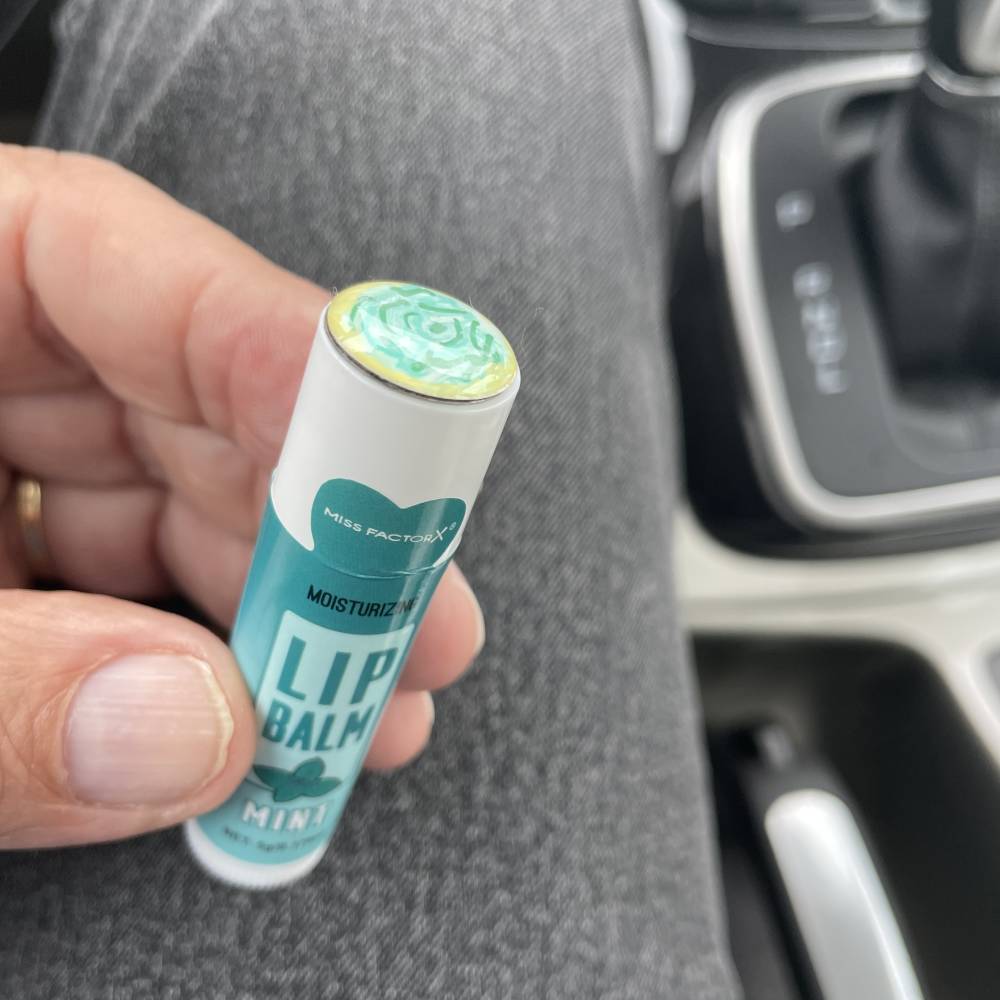
Carry support with you
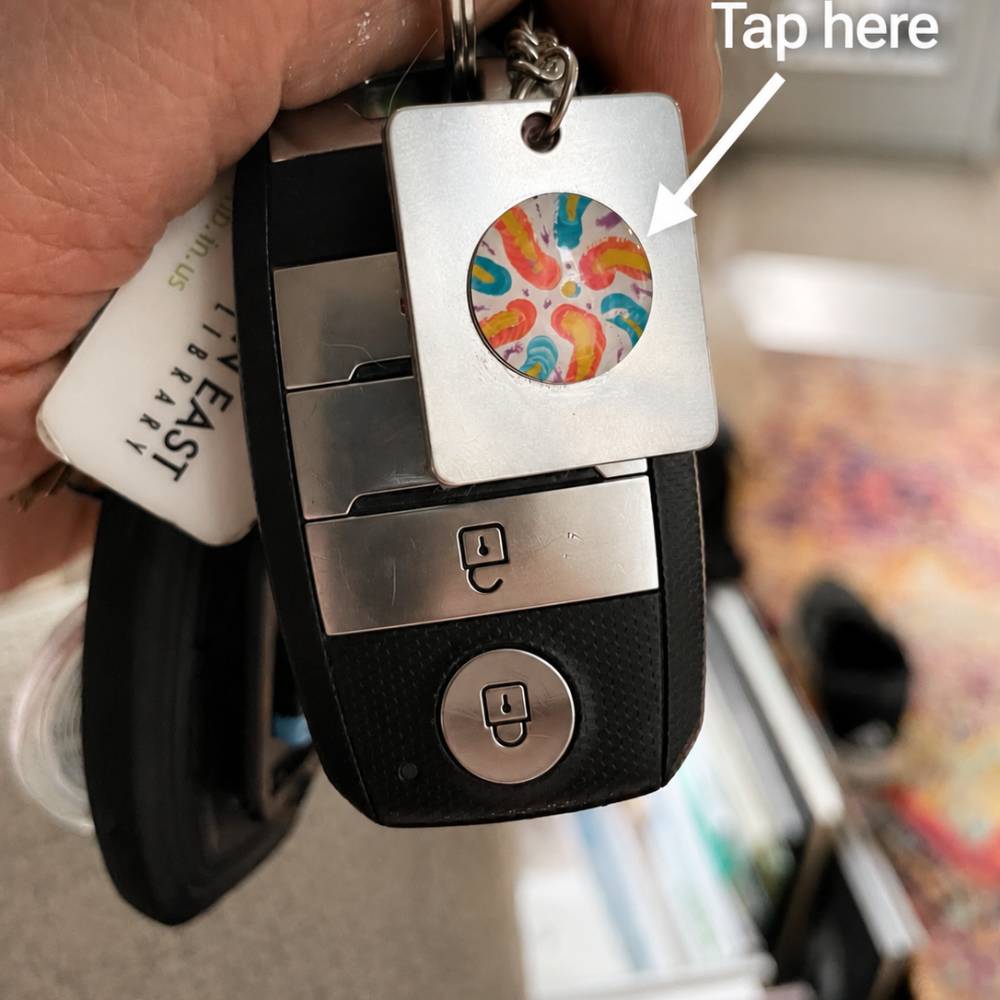
Support during the day

Tap when needed
1
Eating alone
Lunch can become one of the hardest parts of the day. A student may dread the cafeteria
because it publicly shows who has a place and who feels like they do not.
What may be on their mind:
“Where am I supposed to sit?”
“Everyone can see I am alone.”
“I wish lunch would just be over.”
Tap support idea
Eating alone today does not mean you are unwanted. It means this moment is hard.
2
No real friend group
A student may know people but still feel like they do not have “their people.”
Casual friendliness is not the same as belonging.
What may be on their mind:
“I know people, but I do not have a group.”
“Nobody really checks on me.”
“I am always kind of outside.”
Tap support idea
You do not need a whole group today. One real connection is a meaningful start.
3
Being picked last or left out
Being excluded from groups, games, invitations, projects, photos, chats, or plans
can make a student feel unwanted even when nobody says it directly.
What may be on their mind:
“They forgot me again.”
“Maybe they did not want me there.”
“I am always the extra person.”
Tap support idea
Being left out hurts. It does not decide your worth or your future friendships.
4
Awkwardness and social anxiety
Some students want connection but overthink every word, facial expression, pause,
message, joke, or invitation until joining in feels impossible.
What may be on their mind:
“What if I say the wrong thing?”
“What if they think I’m weird?”
“I do not know how to start.”
Tap support idea
You do not have to be smooth to connect. Small and honest is enough to start.
5
Feeling weak or unpopular
Students may compare themselves to people who seem confident, funny, athletic,
attractive, loud, stylish, or popular and decide they are less valuable.
What may be on their mind:
“I am not like them.”
“Nobody chooses me.”
“I feel weak.”
Tap support idea
Popular is not the same as valuable. Quiet worth is still worth.
6
Not knowing how to join in
A student may want friends but not know how to enter a group, start a conversation,
accept an invitation, or risk being rejected.
What may be on their mind:
“Can I just walk up?”
“What if they do not want me there?”
“It feels too late to join.”
Tap support idea
Try one small reach: say hi, ask a question, sit nearby, or message one safe person.
1
Feeling invisible
Some students are not bullied loudly. They are simply overlooked.
That quiet invisibility can make them wonder whether their presence matters.
What may be on their mind:
“Nobody really sees me.”
“I could disappear and nothing would change.”
“I am easy to forget.”
Tap support idea
Feeling unseen is painful. It is not proof that your life is unnoticed or unimportant.
2
Believing something is wrong with me
When loneliness lasts, students may stop blaming the situation and start blaming themselves.
They may assume they are too weird, too quiet, too awkward, too much, or not enough.
What may be on their mind:
“Maybe I am the problem.”
“Why is this so easy for everyone else?”
“I do not know how to be normal.”
Tap support idea
Loneliness lies. It can make a hard season sound like a permanent flaw.
3
Comparing themselves to popular students
Popularity can look like proof of value. Students may compare followers,
invitations, photos, lunch tables, relationships, jokes, and confidence.
What may be on their mind:
“They are wanted.”
“I am not the kind of person people choose.”
“Everyone else has a better life.”
Tap support idea
Popularity is visible. Worth is deeper than what people can see from the outside.
4
Online exclusion
Posts, stories, group chats, streaks, photos, likes, and inside jokes can make exclusion
follow students home. The pain does not end when the school day ends.
What may be on their mind:
“They all went without me.”
“Why wasn’t I included?”
“I keep checking even though it hurts.”
Tap support idea
You do not have to keep staring at what hurts. Put the phone down and reach toward one safe thing.
5
Shame about loneliness
Feeling lonely can be embarrassing. Students may hide it because admitting it feels like proof
that nobody wants them.
What may be on their mind:
“I can’t tell anyone I feel this alone.”
“It sounds pathetic.”
“People will feel sorry for me.”
Tap support idea
Needing connection is not embarrassing. It is human.
6
Wondering if anyone would notice
When students feel invisible for too long, they may start wondering if they matter at all.
That thought deserves care, attention, and connection — not silence.
What may be on their mind:
“Would anyone notice if I was gone?”
“Do I matter to anyone here?”
“I do not want to feel this way anymore.”
Tap support idea
Do not stay alone with that thought. Text someone safe, find a trusted adult, or ask for help now.
One tap will not create a friend group. But it can meet the moment before loneliness becomes identity.
Tap support is not counseling or a replacement for trusted people.
It is support placed where the loneliness already shows up. The moment may need a pause,
encouragement, perspective, connection, or one small step toward someone safe.
Learn about TagsToTap