Tap Support for Incoming Freshmen

Freshman year is more than harder classes.

Starting high school can feel exciting on the outside and overwhelming on the inside. Incoming freshmen are learning a new building, a new schedule, a new social map, and a new version of themselves. School performance may be the visible issue, but underneath it may be fear, loneliness, pressure, comparison, and the quiet question: “Where do I fit now?”

The idea

Strategically placed support.

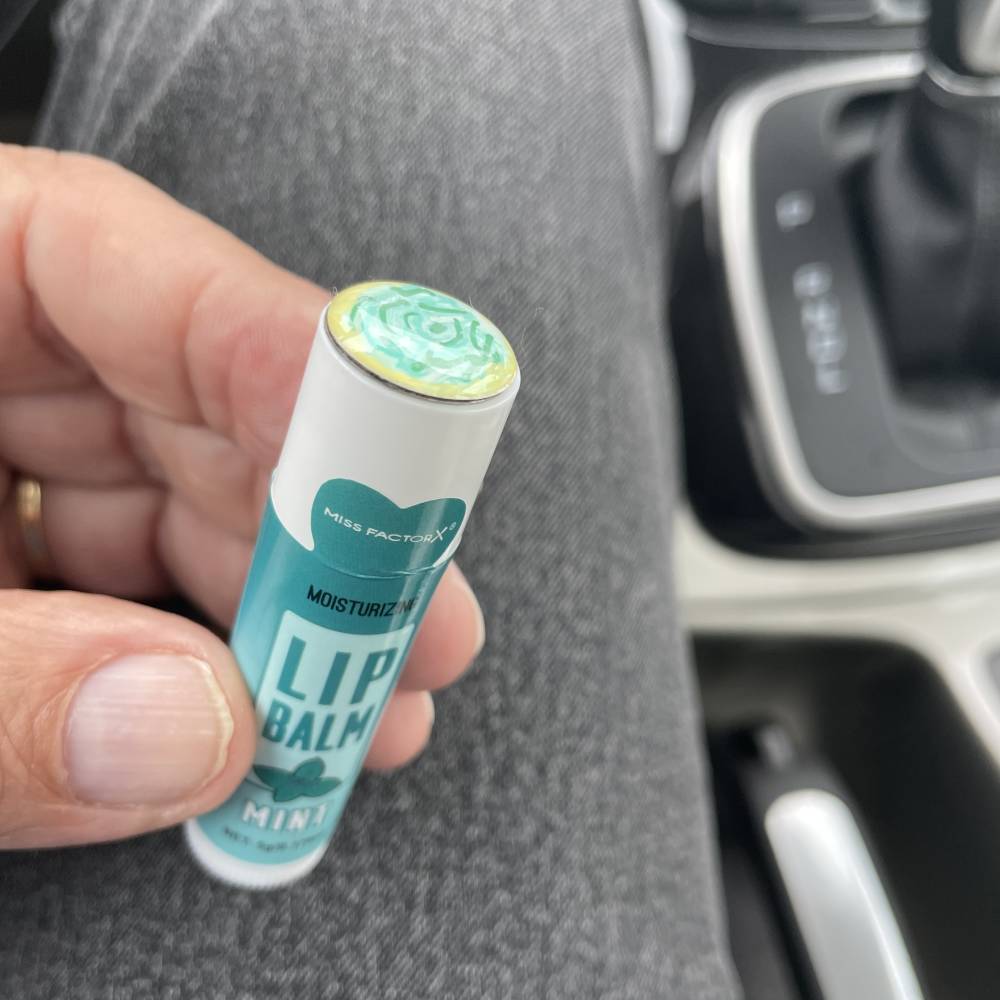
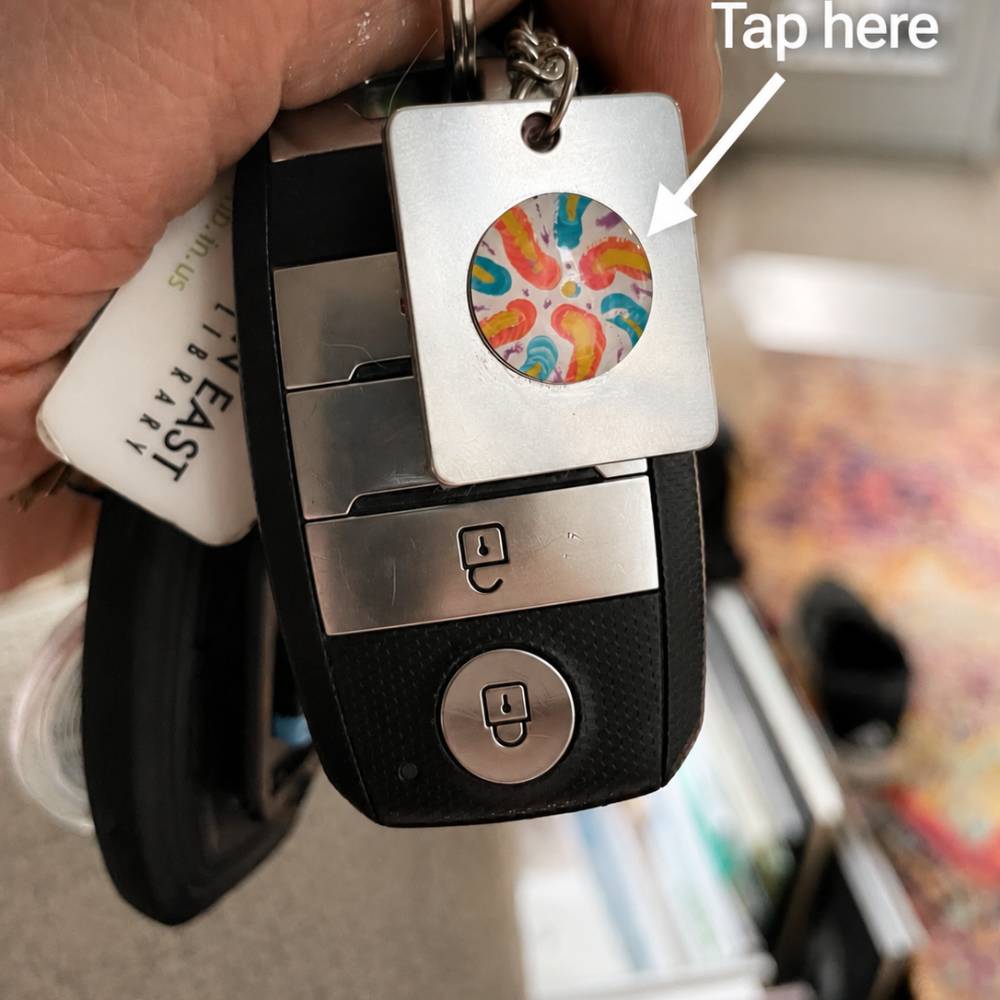
When freshman pressure starts getting loud, a student taps a sticker or tag on the object already with them — backpack, binder, planner, laptop, ID lanyard, water bottle, or keychain. The moment may need a pause, encouragement, perspective, connection, or one small action. The object helps the right support show up at the right time.

Freshman example

Before lunch feels impossible.

A freshman walks toward the cafeteria and realizes their old group is sitting somewhere else. The sticker meets that moment. Pause. Perspective: “Feeling alone today does not mean you will always feel alone here.” One small action: sit near one familiar face, text someone safe, or ask a trusted adult where to go.

The hidden connection

Freshman struggles often show up as grades, attitude, silence, or avoidance. But the real issue may be transition pressure.

A freshman may look unmotivated, distracted, dramatic, or careless. But many are simply trying to survive a new environment without looking lost.

A missing assignment may really mean: “I’m overwhelmed and I don’t know how to keep up yet.”
Not asking for help may really mean: “I don’t want to look like I’m already failing.”
Pulling away may really mean: “My old friend group is changing and I don’t know where I belong.”
Acting like they do not care may really mean: “I care so much that I’m embarrassed to try and fail.”
How tap support fits

A simple support layer for the moments freshmen do not always say out loud

Freshmen already have counselors, teachers, parents, coaches, mentors, and trusted adults. But many hard moments happen in between: before walking into the cafeteria, after seeing a post online, before a quiz, after being left out, in the hallway, on the bus, after practice, or alone at night. The object is placed where those moments already happen, so support can appear before transition pressure gets louder.

No app.

A student taps a physical object and gets a short, private reset.

No account.

It feels simple, safe, and low-pressure — not like another school platform.

No stigma.

The object can be a backpack tag, binder sticker, planner sticker, laptop sticker, ID/lanyard tag, water bottle sticker, bookmark, card, or keychain.

The physical connection

It starts with something they already touch.

A backpack tag. A binder sticker. A planner sticker. A laptop sticker. An ID/lanyard tag. A water bottle sticker. The object changes. The moment matters.

NFC object example

Everyday tap object

NFC object example

Carry support with you

NFC object example

Support during the day

NFC object example

Tap when needed

Support categories

What freshmen may need in the moment

Tap support can be organized around the real moments freshmen face: school pressure, social transition, confidence, identity, and the courage to ask for help early.

School support categories

Find My Next Step “I’m overwhelmed and don’t know where to start.”
Ask Early “I need help, but I don’t want to look behind.”
Grade Shock “This is harder than middle school.”
Walk In Brave “I’m nervous about this class, hallway, lunch, or group.”
Reset After a Rough Moment “I messed up and need to keep going.”

Life support categories

Friend Shifts “My old group feels different now.”
Belonging “I don’t know where I fit yet.”
Comparison “Everyone else looks more confident than me.”
Pressure to Act Older “I’m trying to seem okay, but I’m not sure I am.”
Quiet Loneliness “I’m around people all day and still feel alone.”
What affects school performance

Six school pressures incoming freshmen carry into high school

These are the things that make it harder to focus, participate, finish work, ask for help, recover from mistakes, or believe they can succeed.

1

New building and schedule overwhelm

Freshmen are suddenly moving through a bigger building, new hallways, new teachers, new routines, and faster transitions. Even capable students can feel lost at first.

What may be on their mind: “What if I’m late?” “Where am I supposed to go?” “Everyone else looks like they know what they’re doing.”
Tap support idea You do not have to know the whole building. Just find the next right place.
2

Fear of being judged by older students

Many freshmen are watching everything they do because they do not want to look young, lost, awkward, or out of place in front of older students.

What may be on their mind: “Do I look like a freshman?” “What if they laugh?” “I don’t want to stand out for the wrong reason.”
Tap support idea Everyone starts somewhere. Looking new does not mean you do not belong.
3

Homework and grade shock

High school work can hit harder. Students who did well before may suddenly face lower grades, more homework, and expectations that feel less forgiving.

What may be on their mind: “I used to be good at this.” “What if I can’t keep up?” “My parents are going to be disappointed.”
Tap support idea A hard start is not a final story. Ask early. Adjust early.
4

Trying to belong while staying yourself

Freshmen may feel pressure to change how they dress, talk, act, post, date, joke, or respond just to feel accepted.

What may be on their mind: “Do I need to act different now?” “Will people still like me?” “Who am I supposed to be here?”
Tap support idea Belonging should not require losing yourself.
5

Sports, clubs, and activity pressure

High school can make students feel like they need to join, perform, compete, prove themselves, and build a future before they even feel settled.

What may be on their mind: “What if I don’t make the team?” “What if I’m not good enough?” “Am I already falling behind?”
Tap support idea You are allowed to try things before you know exactly where you fit.
6

Not asking for help early enough

Freshmen may wait too long to ask for help because they are embarrassed, unsure who to ask, or afraid adults will overreact.

What may be on their mind: “It’s probably not bad enough yet.” “I should be able to handle this.” “I don’t want anyone to know I’m struggling.”
Tap support idea Asking early is not weakness. It is how you keep small problems small.
What affects general life

Six life pressures incoming freshmen carry beyond the classroom

These may not look academic at first, but they shape confidence, mood, behavior, friendships, attendance, motivation, and self-worth.

1

Losing old friend groups

Freshman year can rearrange friendships. Students may still know people, but the closeness, routines, and social safety they counted on may change.

What may be on their mind: “Why are they different now?” “Did I get replaced?” “I thought we were still close.”
Tap support idea A changing friendship does not mean you are disposable.
2

Social media comparison

Freshmen may see classmates posting games, dances, parties, groups, outfits, relationships, and confidence — and assume everyone else is doing better.

What may be on their mind: “Everyone has people except me.” “I’m missing out.” “Why does their life look easier?”
Tap support idea A post is a moment. It is not the whole truth.
3

Pressure to act older

Students may feel pushed to act more mature, more confident, more experienced, or less bothered than they really feel.

What may be on their mind: “I should be past this.” “I can’t seem scared.” “Everyone else seems more grown up.”
Tap support idea You can be growing up and still need reassurance.
4

Dating, body, and image pressure

High school can intensify pressure around appearance, dating, attention, rejection, bodies, clothes, and being seen.

What may be on their mind: “Am I attractive enough?” “Why don’t they like me?” “I hate how I look today.”
Tap support idea Your worth is not decided by who notices you today.
5

Parent conflict over independence

Freshmen often want more freedom while parents still see a young teenager who needs guardrails. That tension can follow students into the school day.

What may be on their mind: “They don’t trust me.” “They still treat me like a little kid.” “I just want some space.”
Tap support idea Wanting independence and needing guidance can both be true.
6

Quiet loneliness in a crowded school

Freshmen can be surrounded by people all day and still feel unseen. A busy hallway does not always feel like belonging.

What may be on their mind: “Nobody really knows me here.” “I don’t know who to sit with.” “I feel alone, but I don’t want to admit it.”
Tap support idea Feeling alone today does not mean you will always feel alone here.

One tap will not solve freshman year. But it can meet the moment before transition pressure becomes identity.

Tap support is not a mental health app. It is not homework. It is not another login. It is support placed where freshman-year pressure already shows up. The moment may need a pause, encouragement, perspective, connection, or one small step toward someone safe.

Learn about TagsToTap