Tap Support for College Freshmen
College freedom can look exciting on the outside and feel overwhelming on the inside.
Freshman year of college is not just a new campus. It can be a sudden change in structure,
identity, sleep, friendships, family contact, responsibility, money, faith, pressure, and loneliness.
Some students look like they are doing fine while privately wondering:
“Why is this harder than I thought?”
Strategically placed support
College freshmen need support in the moment before a spiral becomes a decision.
This is strategically placed support. When college pressure starts getting loud,
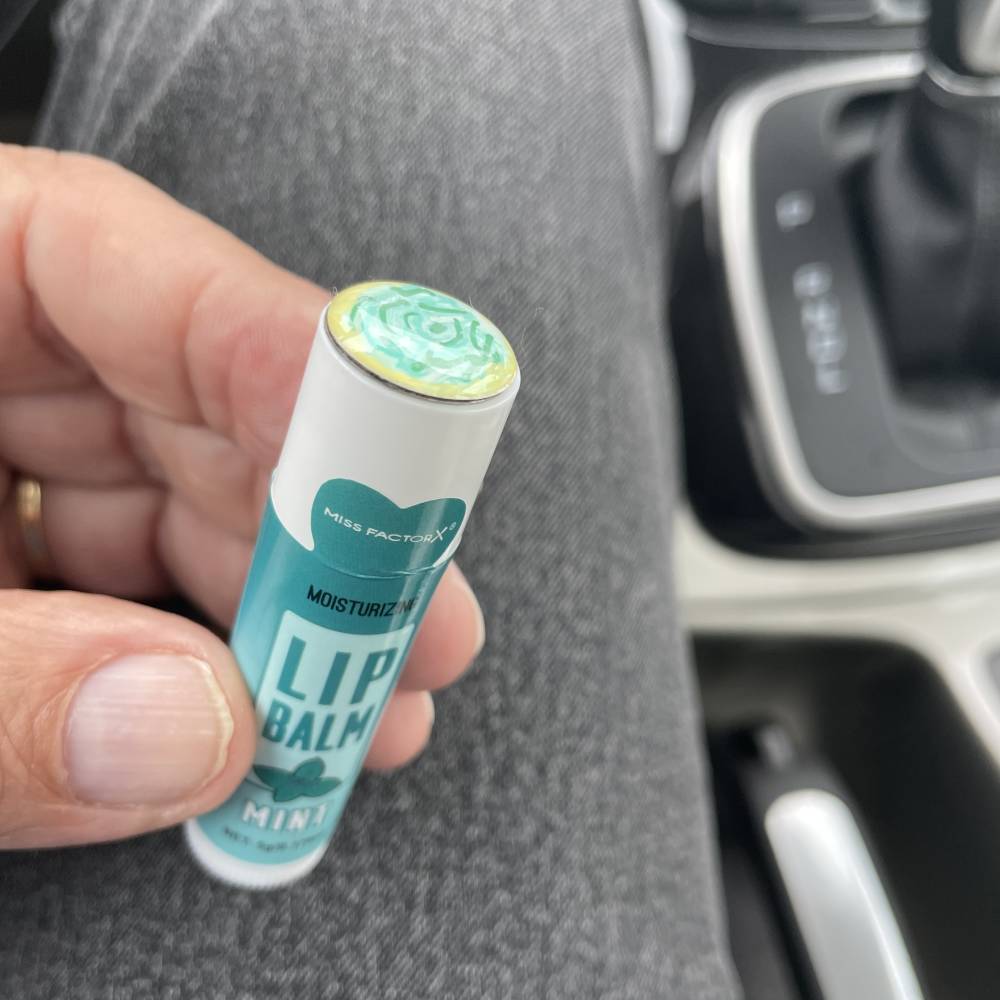
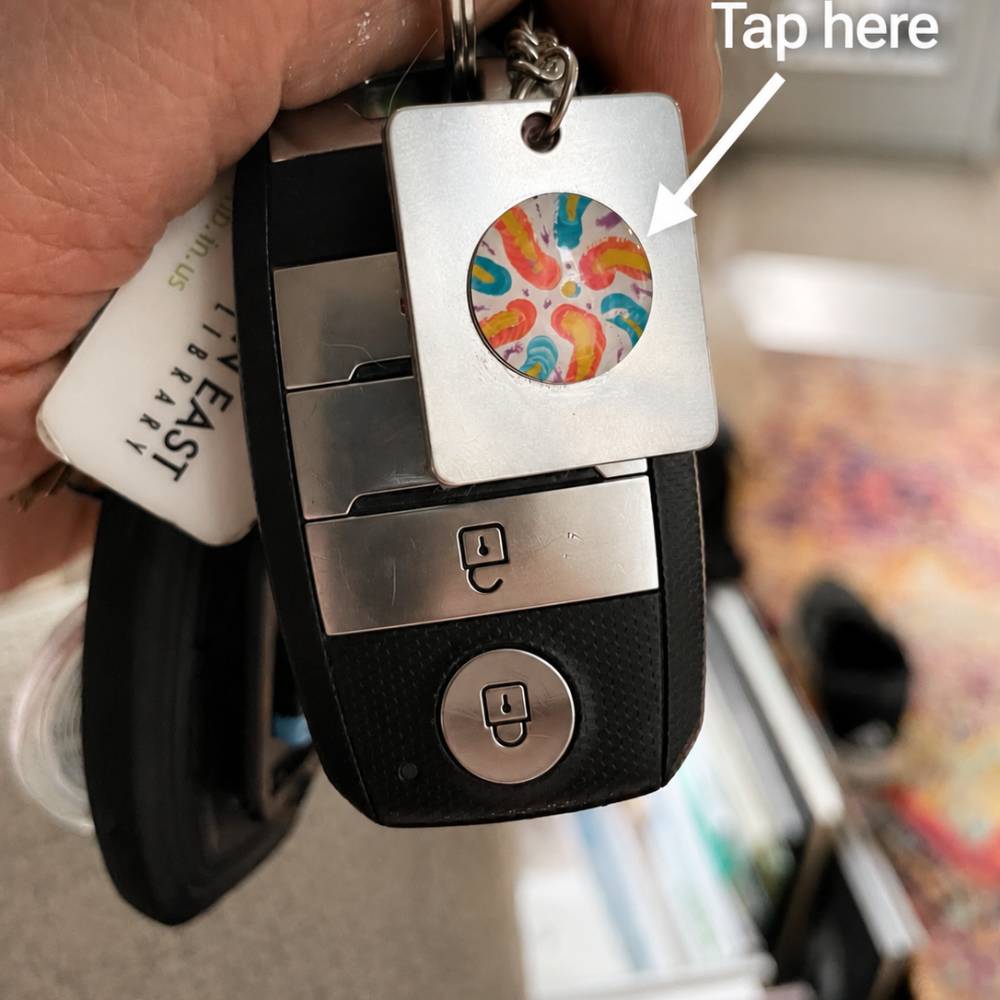
a student taps the object already with them — lip balm, laptop sticker, water bottle, keychain,
dorm fridge magnet, backpack tag, or car air-vent object. The moment may need a pause,
encouragement, perspective, connection, or one small action. The object helps the right support show up
at the right time.
Lip balm
Laptop sticker
Water bottle
Keychain
Dorm fridge magnet
Backpack tag
Car air-vent object
Example: after a failed exam
A freshman gets their first bad exam grade and starts thinking, “Maybe I do not belong here.”
The tap meets that moment. Pause. Perspective: “This is information, not identity.”
One small action: email the professor, go to office hours, or ask one person where to start.
Example: late-night dorm spiral
A student is alone in the dorm, homesick, behind, and embarrassed to call home.
They tap the lip balm on their desk or the dorm fridge magnet. Pause. Encouragement:
“You do not have to sound fine to be loved.” One small action: text someone safe.
The hidden connection
College freshmen can be surrounded by people and still feel dangerously alone.
A student may seem independent, busy, social, or successful from the outside.
But freshman year can go wrong quietly when students feel ashamed to admit they are struggling.
Skipping class may really mean:
“I’m overwhelmed and I do not know how to get back on track.”
Not calling home may really mean:
“I do not want my family to know I’m not okay.”
Partying too much may really mean:
“I’m trying not to feel lonely, anxious, or out of place.”
Acting like college is great may really mean:
“I think everyone else is doing better than me.”
The physical connection
It starts with something they already touch.
A lip balm. A dorm fridge magnet. A keychain. A bookmark. A card. A sticker on a water bottle or laptop. A car air-vent object for commuters or rides home.
The object changes. The moment matters.

Lip balm or everyday object
Keychain or backpack tag
Water bottle or laptop sticker

Dorm fridge or car vent
1
No one is reminding me anymore
College often removes the daily structure students were used to.
No one may be checking homework, waking them up, tracking every absence, or reminding them what is due.
What may be on their mind:
“I thought I could handle this.”
“I keep forgetting things.”
“I’m already behind and it’s only the beginning.”
Tap support idea
You do not need to fix the whole semester. Write down the next due thing.
2
Procrastination and time collapse
Open schedules can feel like freedom until the work piles up.
A student may lose track of time, avoid hard tasks, and then panic when deadlines arrive.
What may be on their mind:
“I have plenty of time.”
“I’ll do it later.”
“How did I let this get this bad?”
Tap support idea
Start ugly. Work for ten minutes. Momentum can come after starting.
3
Large classes and feeling invisible
Freshmen may move from familiar classrooms to lecture halls where no one knows their name.
It can feel easy to disappear and hard to ask for help.
What may be on their mind:
“Nobody would notice if I stopped going.”
“The professor doesn’t know me.”
“I don’t even know who to ask.”
Tap support idea
Send one email. Ask one question. Being unseen is not the same as being unsupported.
4
Grade shock
Students who did well in high school may receive lower grades than expected.
That can feel like proof they do not belong, even when it is really an adjustment.
What may be on their mind:
“Maybe I’m not smart enough.”
“I used to be good at school.”
“What if I picked the wrong major?”
Tap support idea
One grade is information. It is not a verdict on your future.
5
Sleep and schedule chaos
Late nights, early classes, social pressure, screens, stress, work, and freedom
can quickly wreck sleep and make everything feel harder.
What may be on their mind:
“I’m exhausted.”
“My days are all over the place.”
“I can’t think clearly.”
Tap support idea
Before deciding your life is falling apart, check sleep, food, water, and the next class.
6
Not knowing how to ask professors for help
Many freshmen do not know how office hours work, how to write the email,
or whether it is okay to admit they are confused.
What may be on their mind:
“They’ll think I’m lazy.”
“I don’t know what to say.”
“It’s too late to ask now.”
Tap support idea
Asking for help is part of college. Send the message before the problem grows.
1
Homesickness
Missing home can feel embarrassing when college is supposed to be exciting.
Some students hide it because they do not want family or friends to worry.
What may be on their mind:
“I miss home more than I expected.”
“I don’t want to disappoint anyone.”
“Maybe I’m not ready for this.”
Tap support idea
Missing home does not mean you failed. It means something there mattered.
2
Loneliness after orientation ends
The first days can be full of events and introductions.
Then the noise fades, groups start forming, and a student may suddenly feel alone.
What may be on their mind:
“Everyone found their people except me.”
“I don’t know who to eat with.”
“I’m surrounded by people and still alone.”
Tap support idea
Belonging usually builds slowly. One honest connection is a real start.
3
Roommate stress
Living with someone new can create tension around sleep, noise, cleanliness,
guests, privacy, boundaries, and communication.
What may be on their mind:
“I don’t feel comfortable in my own room.”
“I don’t want to make it awkward.”
“I have nowhere to decompress.”
Tap support idea
A boundary is not drama. Name one thing you need calmly and early.
4
Party, alcohol, and social pressure
Students may feel pressure to drink, go out, hook up, stay out late,
or act more comfortable than they really are just to avoid being left out.
What may be on their mind:
“I don’t want to be boring.”
“I don’t really want to do this.”
“If I say no, will I lose my chance to belong?”
Tap support idea
Belonging that requires ignoring your gut is not safety.
5
Identity, faith, and values questions
College can challenge what students believed about themselves, family, faith,
relationships, purpose, politics, money, and who they want to become.
What may be on their mind:
“What do I actually believe?”
“Who am I without everyone watching?”
“Am I changing too much?”
Tap support idea
Questions do not mean you are lost. They may mean you are becoming honest.
6
Heavy thoughts and shame
Some freshmen struggle with anxiety, depression, panic, hopelessness, self-harm thoughts,
or suicidal thoughts. Shame can make them hide the struggle until it becomes dangerous.
What may be on their mind:
“I can’t tell anyone this.”
“Everyone would be disappointed.”
“I don’t know if I can keep doing this.”
Tap support idea
Do not stay alone with heavy thoughts. Text someone safe, find an RA, call campus support, or call/text 988 now.
One tap will not fix college freshman year. But it can meet the moment before a student disappears into it.
Tap support is not counseling, crisis care, or a replacement for trusted people.
It is support placed where freshman-year pressure already shows up. The moment may need a pause,
encouragement, perspective, connection, or one small step toward someone safe.
Learn about TagsToTap